FrancoisNeo
Fire Shrimp – Lysmata debelius
Fire Shrimp – Lysmata debelius
Couldn't load pickup availability
Fire Shrimp – Lysmata debelius
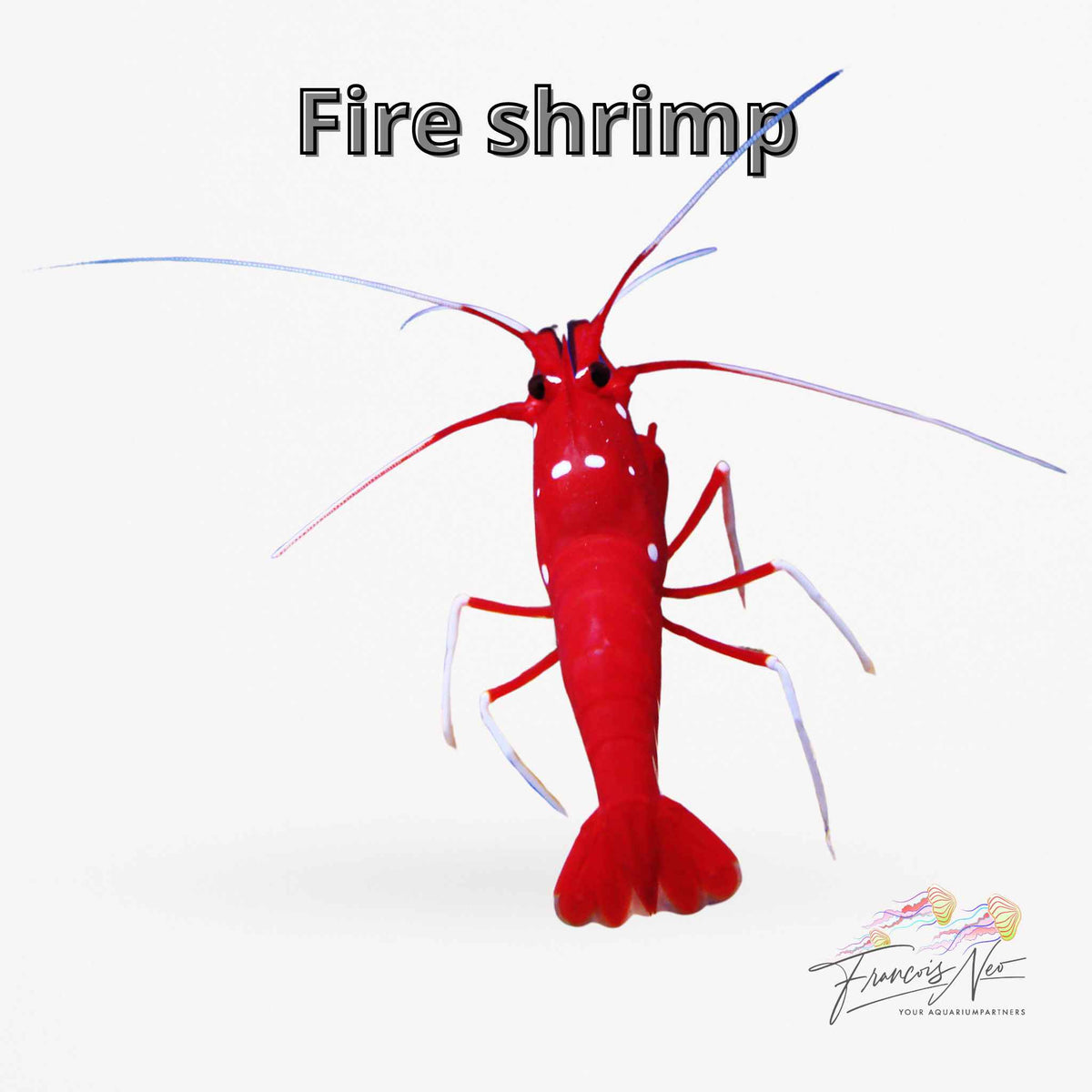
The Fire Shrimp is one of the most striking ornamental shrimp available for marine aquariums, recognized for its deep red coloration, bright white antennae, and contrasting white markings.
Lysmata debelius is peaceful, generally reef-safe, and can also display cleaning behavior with compatible fish. It is an excellent choice for aquarists looking for a highly decorative invertebrate with useful scavenging behavior.
Key Features
-
Scientific name: Lysmata debelius
-
Common name: Fire Shrimp
-
Also known as: Blood Red Fire Shrimp
-
Temperament: Peaceful
-
Reef safe: Yes
-
Care level: Easy to moderate
-
Adult size: Approximately 2–3 inches
-
Minimum aquarium size: 20 gallons
-
Diet: Omnivore / scavenger
-
Water temperature: 75–80°F
-
Salinity: 1.023–1.026 specific gravity
-
Recommended pH: 8.1–8.4
Aquarium Care
Fire Shrimp prefer established marine aquariums with stable water parameters and plenty of rockwork, caves, and shaded areas.
They are often more reclusive than Cleaner Shrimp and may spend part of the day under ledges or inside rockwork, becoming more active during feeding.
As with most marine invertebrates, slow acclimation is recommended because they can be sensitive to sudden changes in salinity and water chemistry.
Avoid copper-based medications in aquariums containing shrimp or other invertebrates.
Feeding
Fire Shrimp are opportunistic omnivores and scavengers.
Offer a varied diet including:
-
Frozen mysis shrimp
-
Brine shrimp
-
Small pieces of marine foods
-
High-quality sinking foods
-
Leftover fish food
Regular feeding is recommended even if the shrimp occasionally cleans fish or scavenges naturally in the aquarium.
Reef Compatibility
Fire Shrimp are generally reef-safe and compatible with most corals and peaceful reef fish.
Avoid keeping them with large predatory fish that naturally prey on shrimp and other crustaceans.
Francois Neo AquaStudio Selection
Our livestock is selected with attention to health, coloration, activity, feeding response and overall aquarium suitability.
Availability may vary depending on current livestock inventory.
Individual size, coloration and markings may vary.
Share